
 By Alex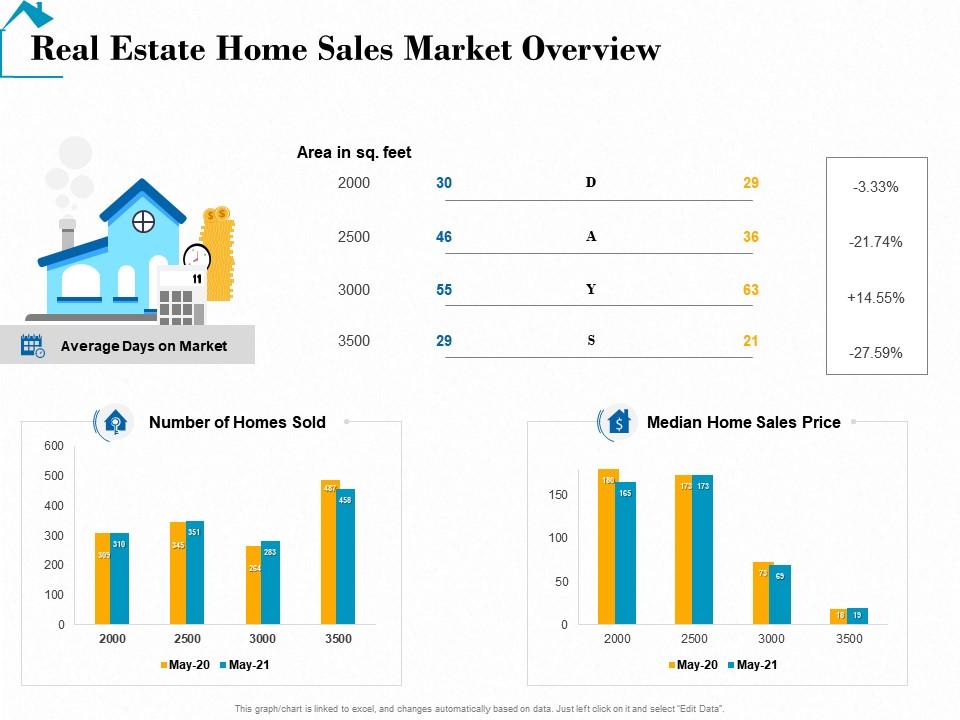
The U.S. housing market in 2026 continues to evolve as mortgage rates stabilize, inventory levels shift, and buyer preferences change nationwide. Whether you’re planning to buy, sell, or refinance, understanding today’s market trends can help you make smarter and more strategic decisions.
This updated guide breaks down the most important real estate trends shaping the 2026 U.S. housing market – and what they mean for homebuyers right now.
🔹 1. Home Prices in 2026: Slower Growth, Not Declines
Unlike the rapid surges seen from 2020–2022, home price growth has become more moderate.
What we’re seeing now:
- Prices remain high, but appreciation is slowing
- Some overheated markets (NV, AZ, CA) are adjusting
- Affordable regions in the Midwest & South are rising steadily
- Price drops are happening, but mostly on overpriced listings
Trend Insight:
Homes aren’t crashing in value – they’re normalizing.
🔹 2. Buyers Are Gaining More Negotiation Power
For several years, sellers dominated the market. That dynamic is shifting.
Buyers now benefit from:
- More inventory in many regions
- Fewer bidding wars
- More price reductions
- Longer days on market
- Higher seller concessions
This makes 2026 a more balanced market compared to recent years.
🔹 3. Mortgage Rates Remain the Key Factor in Market Activity
Rates are no longer as volatile as they were between 2022–2024, but they still strongly influence affordability.
Mortgage Rate Overview (2026):
- 30-Year Fixed: 6.1% – 6.8%
- 15-Year Fixed: 5.2% – 5.7%
Impact:
- High rates continue to limit buying power
- Some buyers are waiting for drops
- Sellers are adjusting price expectations
Trend Insight:
A gradual decline in rates later in the year could fuel more buyer activity.
🔹 4. Inventory Slowly Improving – Especially New Construction
Inventory shortages have improved slightly, giving buyers more choices.
Why inventory is rising:
- More new homes are being completed
- Homeowners selling after waiting out high-rate years
- Lower investor activity
Builders are responding to buyer demand with:
- Smaller, more affordable homes
- Energy-efficient builds
- Incentives like rate buydowns
🔹 5. Migration Shifts Continue Across the U.S.
Americans continue moving away from high-cost states toward more affordable areas.
Top cities gaining population (2026):
- Tampa, FL
- Raleigh, NC
- Dallas–Fort Worth, TX
- Nashville, TN
- Columbus, OH
Reasons for migration:
- Lower taxes
- Cheaper housing
- Better job markets
- More space & quality of life
These shifts are reshaping the U.S. housing demand map.
🔹 6. Renting vs. Buying in 2026: The Gap Is Smaller
Rent prices remain historically high in many metros.
Renting trends:
- Still expensive in coastal cities
- Stabilizing in the South & Midwest
- Many renters are considering buying if rates drop
This narrowing gap is pushing renters to explore homeownership sooner.
🔹 7. First-Time Homebuyers Face Challenges – but More Assistance Is Available
Younger buyers continue to struggle with:
- High prices
- High mortgage rates
- Student loan debt
- Low affordable inventory
But the good news is:
More states now offer:
- Down payment grants
- Closing cost assistance
- Tax credits for first-time buyers
🔹 8. Investors Are Adapting to Higher Rates
Investor demand has cooled but remains steady in certain markets.
Investor focus in 2026:
- Long-term rentals
- Affordable markets
- Multi-family properties
- Cash-flow stability
- Less focus on flipping
Airbnb-heavy markets are also adjusting due to regulations and reduced demand.
⭐ Conclusion
The 2026 real estate market is entering a more stable phase after years of volatility. While mortgage rates remain elevated, buyers finally have more options and more negotiating leverage. Market conditions vary by region, but overall, the U.S. is moving toward a healthier, more balanced housing market.
Staying informed about these trends will help you make smarter decisions – whether you’re buying, selling, or refinancing.